
Blog
Q-Tips
The People Problem: Why Most New Zealand Project Failures Are Human at Heart
When New Zealand projects fail, the postmortem almost always points to people. Not bad technology, not broken processes. People: interpersonal dynamics between sponsors and project managers, leadership continuity gaps, teams that never quite gel, and covert resistance from those who fear what the project means for their jobs. Drawing on years of reviewing programmes across the public and private sectors, our view at IQANZ is clear: the human element is both the greatest asset and the most underestimated risk in any programme.

Delivering in the Public Sector: What Makes New Zealand Government Projects So Hard to Get Right
New Zealand’s public sector operates under a set of structural constraints that private sector organisations simply do not face: three-year election cycles, financial year funding boundaries, acute political risk aversion, and the persistent challenge of saying no to people who outrank you. None of these are excuses for poor delivery. But understanding them is essential to doing anything useful about them. At IQANZ we work across both sectors, and here is our take on what makes public sector project delivery uniquely difficult, and what strong project leadership looks like in that environment.

AI in New Zealand Project Management: Genuinely Useful, Genuinely Risky, and Completely Unvetted by Experience
AI tools are arriving in New Zealand’s project management landscape faster than most organisations know what to do with them. They offer real productivity benefits, particularly in document drafting and data aggregation, and the time savings on routine work are genuine. But at IQANZ our view is clear: AI output needs an experienced human lens applied to it, and the risk of AI being used to compensate for a lack of experience rather than to amplify genuine capability is already visible in practice. There is also a structural problem on the horizon that the profession has not yet grappled with seriously: if AI eliminates the junior roles through which project management expertise is built, the experience pipeline dries up, and the system eventually collapses when the last generation of truly experienced practitioners retires.
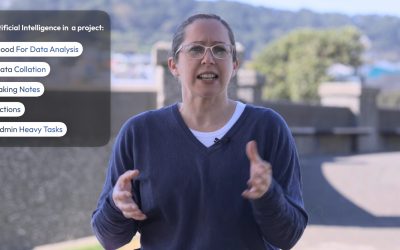
AI and Project Delivery: What It Helps With and Where It Falls Short
Explore the strengths and limitations of AI in project delivery. Learn why emotional intelligence and human leadership remain essential for project success.
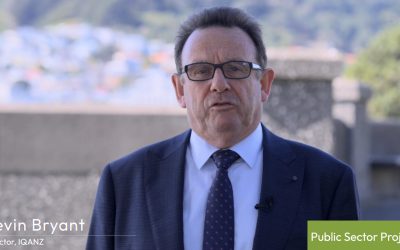
The State of Project Delivery in New Zealand’s Public Sector
Explore the state of the NZ public sector project delivery. IQANZ shares insights on navigating budget cuts, tougher governance, and building delivery discipline.

Steering Government Projects Through an Election Year
Steer NZ government projects through an election year. IQANZ shares expert advice on maintaining momentum, building resilience, and navigating political uncertainty.

Maximising Project Success: Crafting Effective Business Cases
Discover how a well-crafted business case can enhance project success, align stakeholders, and provide strategic guidance from start to finish.

What to Look for in a Quality Assurance Provider: 8 Key Attributes for Project Success
When it comes to selecting a quality assurance provider for your project, the focus should not only be on technical expertise but also on the soft skills that truly make a difference. With years of experience in quality assurance, I’ve identified several key attributes that define an effective assurance provider, helping you navigate the complexities of your projects with confidence. Let’s explore the eight essential qualities your assurance provider should bring to the table.

Common Risks Within A Project Portfolio
Every project has its risks – it’s part of the territory. And a careful risk analysis of a project will typically surface a fair few items for a risk register to keep on the radar. It doesn’t take long then, for an organisation with multiple projects running, to become overwhelmed with understanding its business risk at any one time.

Preparing the business for a project
Perhaps you’re a business relatively new to the world of projects. Or maybe the business has gone through significant changes that create somewhat of a ‘clean slate’, meaning all processes and practices are up for improvement. You could also be an organisation that is delivering projects regularly but have a sense that they are harder to get through than they should be.

Are We Ready To Go Live? Considerations for Project leaders
Go-live – is there anything quite as scary for a project manager and steering committee than to commit to finally releasing your project into the wild? No matter how many times a business delivers projects, that moment of ‘going live’ always comes with a few worries.

How To Get The Most Out Of A Technical Quality Assurance Process
Technical Assurance puts confidence around a high stakes IT project. Here’s what teams and organisations can do to benefit the most from this support.

Do project managers need IT skills for technical projects?
In a project environment that involves various languages and technologies, how important is it for the project manager to have technical skills?

Why your IT project needs to prioritise process
Processes create clarity in a complex technology project. Read how in our full article.

Why a rigorous testing stage is a non-negotiable
Testing is critical to ensure what’s been developed is what the end user needs. We explore this key phase in our full article.

Is your IT project team burning out?
Keeping project teams happy, engaged and safe is a precursor to successful project delivery. We explore the topic of burnout in an IT project team.

How to know if a proposed IT solution is fit for business needs
IT solutions need to help the business solve challenges. We explore some ways to help ensure this.

Researching before business case writing
Not all business cases are accepted. We provide some useful tips on how to get things back on track if this happens.

What to do when a business case is denied
Not all business cases are accepted. We provide some useful tips on how to get things back on track if this happens.

Does Your Business Case Match The Organisation’s needs?
Misalignment of a business case and what the organisation actually needs commonly prevents projects from getting off the ground.

Business case features required for a public sector project
Preparing a business case for investment by a government agency requires some key considerations. Learn what some of these are in our article

5 Common Mistakes Made When Writing A Business Case
Writing a business case that provides a compelling argument for an investment can be tricky. We discuss some pitfalls to avoid as you craft yours.

The Relationship Between Programmes And Projects
Many of the workforce have contributed towards projects, but it’s common to not have a full picture of how projects and programmes interrelate, and indeed how the both contribute towards making positive changes.

Why an organisation’s portfolio needs everyone’s input
Portfolios of projects or programmes require careful management to ensure that the overall strategic objectives and budget is properly balanced. But who is accountable for ensuring this happens?

How assurance has your back – helping you deliver successful projects time after time
There’s many benefits to having QA involved in portfolio management. Here’s just a few.

Signs it’s time to cut back the number of active projects
Is your organisation trying to do too much in too short a space of time? If so, it might be worth reprioritising projects to give each the best shot at success.

How to identify recurring issues in your projects
There’s a lot to be learned from assessing common themes across all projects. We offer a few ways to get insights from your own project portfolio.

5 reasons why you should reprioritise a project
In a business with multiple projects active at any one time, it’s sometimes hard to know which of these is a priority in a world of competing objectives. We talk about reasons why you might reprioritise the portfolio.

What it takes to lead a successful organisational programme
Programmes are high stakes and complex. Guiding a programme to success requires a number of qualities from its leaders and organisation.

How To Align The Business Around A Programme
Creating cohesion between parts of the business is crucial for a programme’s success. We cover some ways to approach this challenge.

How assurance on a programme differs from project QA
Conducting assurance on a programme requires a broader, more strategic perspective than a review of a project. We explore this difference and others in this article.

5 Ways To Make Projects Smoother Sailing in 2022
In this article, we’ve picked five ways organisations can help projects to be delivered to reduce the likelihood of time, budget or people issues.

Insights From Our 3 Minute Project Health Check Responses in 2021
Over 2021 we collected responses to our 3 Minute Project Health Check and have come away with some really fascinating statistics on the state of NZ projects.

The Biggest Barriers To A Successful Organisational Transformation
In this article, we’ll offer some of the common barriers we’ve seen in our work with organisations during moments of major transition.

8 Mistakes New Project Managers Make And The Lessons They Learn
Being a project manager isn’t easy. While a tremendously gratifying career path, there are challenges that a PM faces that can catch the inexperienced off guard.

Negotiating Additional Budget For A Project – What To Know
Of all the duties a project manager or owner goes through in their career, asking for more budget is arguably the most daunting. When more project funds are required beyond the initial figure, it’s only natural for those involved to question why.
![Navigating conflicts between project stakeholders [and how good governance helps]](https://iqanz.com/wp-content/uploads/2021/09/oct2_IQANZ_blog_1-400x250.jpeg)
Navigating conflicts between project stakeholders [and how good governance helps]
In our entire history as IQA New Zealand, we’ve never encountered a project where there haven’t been disagreements. In fact, a difference of viewpoint is what helps business drive the best possible outcomes.

How to manage a project team remotely
The last two years have fast-tracked the workforce’s adaptation to remote working. It’s also removed a lot of the stigma around ‘working from home’, given it’s simply been a necessity for many industries.

Project and Programme Managers – What Keeps You Up At Night?
There’s no doubt that being responsible for a project or programme can be a high stress job at times. Oftentimes that business activity is directly related to a key organisational outcome, with success of the project having knock on effects to the future of the business.

How to navigate cross-agency projects
In this article, we look at some of the common cross-agency challenges we, as quality assurance experts, observe and help clients navigate through every day.

How to prioritise projects and programmes within an organisation
In this article, learn how you might start to prioritise key project and programme activities towards your broader business objectives.
![7 Signs A Project Is On Shaky Ground [And What To Do Next]](https://iqanz.com/wp-content/uploads/2021/07/IQANZ_July_blog_1-400x250.jpeg)
7 Signs A Project Is On Shaky Ground [And What To Do Next]
In this article, we’re going to provide some ‘starter for 10’ project failure signs. But before you read on, we’d suggest taking a 3 Minute Project Health Check

How to form a business case for a project’s benefits
In this article you’ll learn more about a business case and how it can effectively communicate the rationale for investing in a planned project.

Not Enough People And Too Much to Do? (Are You Being Too Ambitious?)
Ambition isn’t a bad thing in a project. But there is often a missing link between the available resources and the objectives outlined in a project plan.

Breaking Projects Into Smaller Pieces
Does a project or programme have to always be large and complicated? The answer is ‘absolutely not’, and more Kiwi organisations should consider going small.

How Assurance Is Helping Over The Tasman
We recently read a fascinating article about the role that quality assurance played in improving project efficiency and delivery in New South Wales.
![Why Projects Fail [And What To Do About It]](https://iqanz.com/wp-content/uploads/2021/05/IQANZ_blog_26Jan_5-1050x675-1-400x250.jpeg)
Why Projects Fail [And What To Do About It]
Our teamwork with organisations to help deliver projects successfully. Part of this work is guiding our clients through the pitfalls they may encounter.