At IQANZ, we spend a lot of time inside agencies helping programmes and projects navigate the realities of delivering government priorities. Every three years, as an election approaches, we see the same pattern play out. Priorities shift, decision making slows, and the momentum that teams work so hard to build takes on a different feel.
In our recent discussion, we talked through what actually happens during an election cycle, why that slowdown occurs, and how agencies can protect the velocity and continuity they need. What follows is our perspective, shaped by the work we do every week across New Zealand’s public sector.
Why Election Cycles Create Project Delivery Slowdowns
The pattern we see every three years
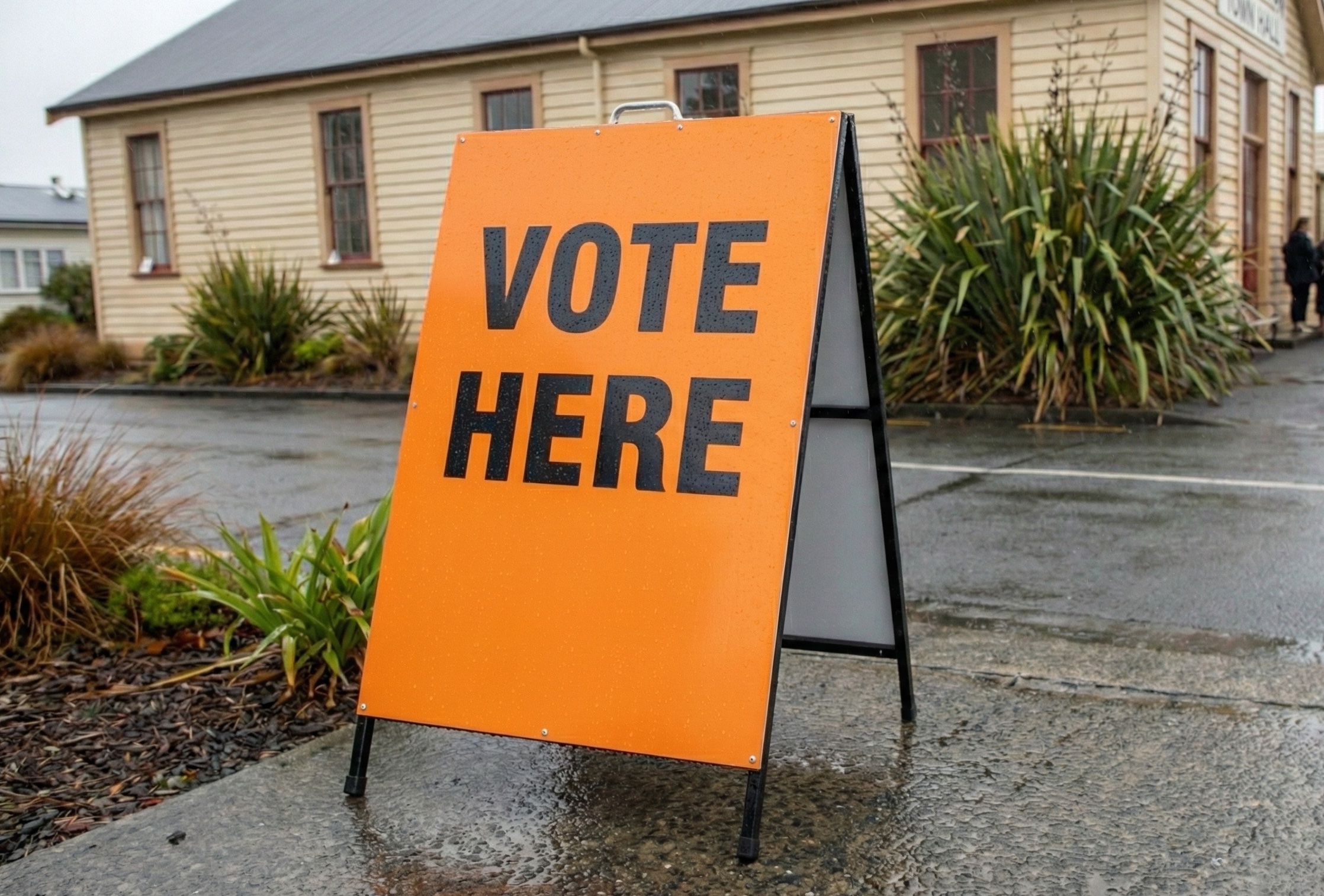
We consistently see delivery begin to ease off about two months before an election. Then it takes a further two to three months after the election before momentum returns to normal. This is not a reflection of capability within agencies. It is a natural outcome of changing political signals and heightened caution.
When an election is close, people hold back on decisions. Approvals stretch. Steering groups meet less often. Large investments are pushed out. Agencies wait to see what direction the incoming or returning government will take.
The result is not a complete halt, but a softening. Enough small delays across a programme can dilute velocity in ways that are noticeable across the whole organisation.
Why uncertainty slows the system
Over the past few administrations, we have also seen more initiatives paused or cancelled when governments change. That creates organisational memory. Teams remember previous disruptions and instinctively become more cautious when the horizon is unclear.
From a risk perspective, this behaviour makes sense. But across an entire programme environment, it can reduce delivery pace beyond what is necessary.
The Risk of Stop Start Delivery for New Zealand
The hidden cost of losing momentum
We cannot afford to repeat a stop start cycle every three years if we want to improve national productivity. When delivery slows leading into an election, and remains slow while priorities are reset afterwards, the cumulative impact is significant.
Teams lose key people. Context gets diluted. Programme rhythm disappears. And then all that momentum has to be rebuilt. In a tight economic climate, this repeated rebuilding becomes expensive in both time and capability.
Why continuity is now a strategic issue
For New Zealand to recover economically, we need consistent long horizon delivery. This applies whether agencies are modernising digital services, building infrastructure, improving regulatory frameworks, delivering social services, or upgrading environmental systems.
Programme delivery will always sit within the political cycle, but it must not be ruled by it. Continuity is no longer just good practice. It is essential for the country’s stability and progress.
Maintaining Velocity Through an Election Year
Make sure the purpose of the work is clearly understood
The programmes most at risk during election periods are the ones where the value is not crystal clear. If the purpose is vague, or if the benefits are hard to trace back to the priorities of the government of the day, it becomes very easy for someone to pause the work.
Velocity relies on clarity. Agencies that define the practical, near term value of their initiatives tend to maintain momentum even when political signals are shifting.
Build delivery resilience well before election pressure kicks in
One of the strongest lessons we share with our clients is that resilience must be established early. That means strengthening governance, tightening scope management processes, improving reporting transparency, maturing benefits tracking, and reviewing risks well before the pre-election period.
You cannot build resilience at the moment you need it. It has to be in place ahead of time.
Remove friction from decision making
When uncertainty increases, delays in decision making multiply. Agencies can counter this by reviewing and streamlining pathways early. We often recommend:
Clear delegated authority
Simplified sign off steps
Pre prepared contingency routes
Regular cadence meetings to prevent drift
Business cases that reflect both short term and long term value
These steps ensure delivery does not freeze just because senior direction is temporarily on hold.
The Essential Role of Bipartisan Foundations
Shared political backing gives programmes longevity
We believe New Zealand needs more bipartisan support around nationally significant initiatives. When there is cross party backing, agencies can plan and deliver with confidence across longer horizons.
This enables multi year capability building, more stable workforce investment, and stronger sequencing. It reduces the risk of major resets every time policy direction changes.
Why this matters right now
New Zealand is working to climb out of an economic slump. The scale and time horizon of the work required makes bipartisan backing incredibly important. Agencies need certainty that foundational initiatives will continue regardless of political changes.
When the environment is stable and predictable, delivery teams can focus on outcomes rather than survival.
What Agencies Can Do Right Now
Act early
Do not wait for the slowdown to begin. Identify vulnerabilities now and strengthen the areas where friction is most likely to appear.
Connect your initiative to measurable public value
Make sure the benefits are visible, practical, and easy to communicate. This gives senior leaders the confidence to maintain momentum.
Prepare for multiple political scenarios
Scenario planning helps delivery teams stay calm and focused, rather than reactive and hesitant.
Protect your people and capability
Election cycles often lead to temporary resourcing changes that end up damaging long term progress. Keep your capability intact wherever possible so you can accelerate again when needed.
Keep communication open and transparent
Silence breeds uncertainty. Clear, regular communication stabilises delivery teams and reassures leadership groups.
A Forward View for New Zealand Delivery Teams
As another election cycle approaches, we know the familiar pattern will surface unless agencies intentionally prepare for it. The insight we share with our clients is simple. You can maintain velocity through an election year, but only if you invest in structure, clarity, and resilience early.
Our country cannot afford repeated cycles of momentum loss. To deliver the outcomes New Zealand needs over the next five to ten years, we must keep moving even in periods of political uncertainty.
With the right preparation, election years do not have to derail delivery. They can simply become another factor to plan for, rather than a disruption that stops progress.