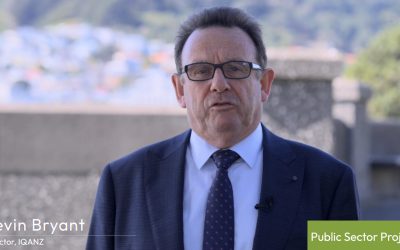
Across the public sector, organisations are testing how artificial intelligence might support their work. At IQANZ we have been doing the same, spending time exploring where AI can genuinely help and where it introduces limitations that project managers and assurance professionals need to understand clearly. Nicki recently spoke about what she is seeing, and her reflections capture an important balance. AI has strengths, but it also has boundaries that matter.
The Parts of Project Work AI Handles Well
AI is effective for structured and administrative tasks
AI performs strongly when it comes to processing information. It can analyse data, collate large volumes of material, summarise documents, and handle tasks that would otherwise consume hours of administrative effort.
This makes it useful for work such as preparing quick summaries, pulling together actions from governance meetings, drafting outlines, tracking information, or organising notes. When used appropriately, AI can ease the administrative burden that often weighs heavily on delivery teams.
AI can support governance processes
Tools that help capture actions or transcribe discussions can streamline governance workflows. They provide a useful record and reduce the chance of key points being missed. The technology is improving, although it still struggles with New Zealand accents at times, which adds its own character to the process.
Where AI Struggles in Project Environments
AI cannot replace the human element of project management
Project management is heavily centred on people. It involves reading a room, interpreting dynamics, navigating tensions, and understanding the personalities, pressures, and politics surrounding a project team.
AI cannot step into this space. It cannot sense tone in the way a human can. It cannot recognise subtle cues, shifts in behaviour, or interpersonal friction building beneath the surface.
AI lacks emotional intelligence
Much of a project manager’s work sits in the space that AI cannot reach. That includes:
- Understanding stakeholder concerns
- Spotting relationship issues early
- Noticing when people are disengaging
- Identifying when a team member is overwhelmed
- Navigating competing interests
- Managing project politics
- Recognising when something feels off
These moments rely on empathy, perception, and emotional intelligence. Those qualities are not replicable by a machine, regardless of how advanced the underlying model becomes.
AI cannot replace judgement or lived experience
Project managers make numerous small decisions each day that shape the health of a project. Many of those choices rely on nuance, context, and interpersonal understanding. AI can offer drafts or automate tasks, but it does not possess judgement. It does not understand organisational history, stakeholder motivations, or the subtle shifts that occur within a team.
Emotional Intelligence Remains Central to Delivery
Human insight drives the success of a project
Even with rapid improvements in AI, the qualities that define strong project managers remain firmly human. Listening, relationship management, influence, and the ability to understand people are central to project success. These skills cannot be automated.
A tool can analyse data, but it cannot sense hesitation in a conversation. It cannot see team fatigue. It cannot understand the unwritten context behind a stakeholder’s concern.
AI enhances efficiency but not leadership
AI will continue to help reduce manual workload and improve the speed at which information can be processed. The leadership elements of project delivery, however, stay with people. Emotional intelligence, interpersonal awareness, and the ability to build trust are what keep projects moving in the right direction.
The Path Forward for Delivery Teams
AI is becoming a useful support tool for the administrative and analytical aspects of project delivery. The human side of project work remains essential. Tools can help process information, but they cannot replace the emotional and relational skills that sit at the heart of successful project management.